The best time of year to have LASIK

by The Rochester Eye & Laser Team on Apr 22, 2024 9:03:06 AM

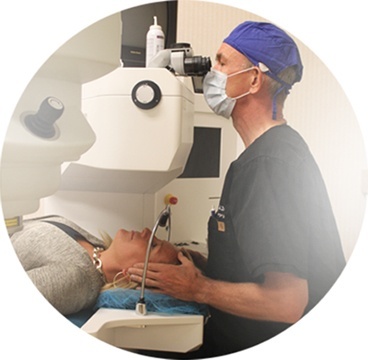
Find out when is the best time of year to have LASIK for the most optimal results. Whether you're considering spring for its mild weather and minimal allergy impact, or fall for quick recovery time and holiday season preparation, the timing of your LASIK surgery can make a significant difference in your overall experience and outcome. Explore how weather patterns, personal schedules, and special events can influence the success of your LASIK procedure. 

Read More

Sun Exposure and Eye Damage: Understanding the Risks

by The Rochester Eye & Laser Team on Apr 8, 2024 3:59:04 PM

After witnessing the eclipse, it's crucial to understand the impact of the sun on your eyes. If you used eclipse-specific eyewear to observe the event, that's great! Make sure to safeguard your eyes from harmful UV rays by being aware of the dangers of sun exposure.

Understanding the Impact of UV Rays on Eye Health

Exposure to the sun's ultraviolet (UV) rays can have a detrimental effect on your eye health. UV rays are a form of radiation that can damage the cells in your eyes, leading to various eye conditions and vision problems.

Read More

Watching the Solar Eclipse

by The Rochester Eye & Laser Team on Mar 21, 2024 11:45:00 AM

Get ready for the highly anticipated 2024 solar eclipse gracing the skies on Monday, April 8, 2024! As viewing times vary from noon to around 4pm depending on your location, it's important to take necessary precautions to protect your eyes from the potential harm of sunlight during this celestial event.

Symptoms of solar retinopathy, such as a blind spot in the central vision, visual distortions, and altered color vision, may cause concern. While milder cases can improve over time, it's important to understand that more severe instances, despite treatment efforts, could potentially result in permanent damage. This underscores the need to take necessary precautions during solar events like an eclipse, ensuring that you and your loved ones can safely enjoy the celestial spectacle without risking long-term harm to your vision.

Read More