
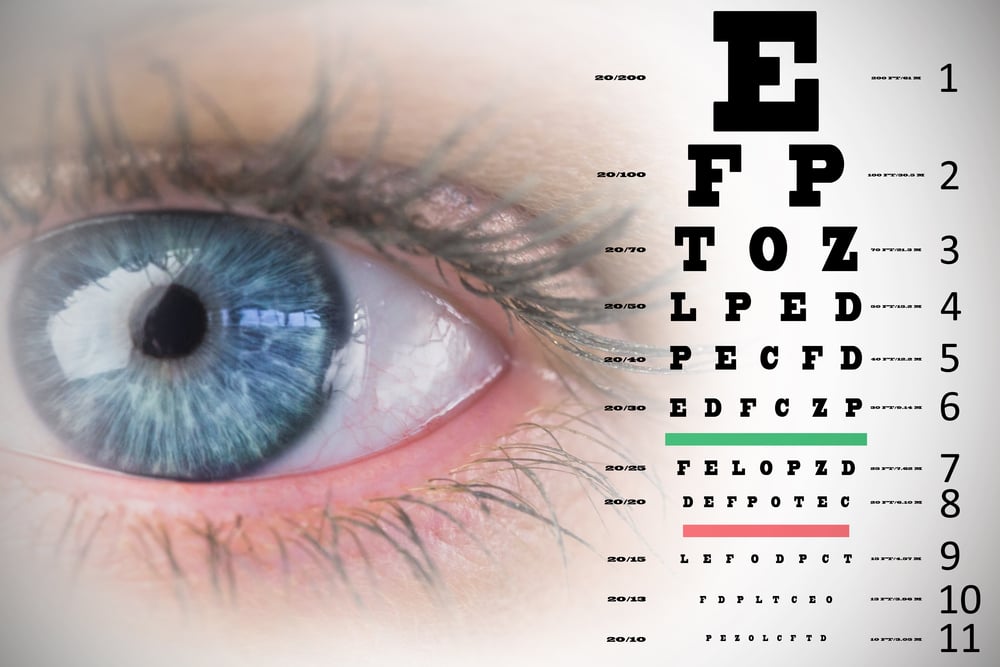
Sight serves as our most dominant sensory modality, anchoring us to our physical environment and facilitating our daily interactions with remarkable precision. When we look around, our eyes process millions of data points every second, allowing us to navigate complex spaces, read facial expressions, and interpret subtle environmental cues without conscious effort.
Rochester Eye Center Blog Insights
Clearly Better
Popular Posts
Recognizing the Psychological Effects of Sudden Vision Changes and Loss
by Guest Author Katherine Langford on Jul 28, 2026, 12:36:26 PM
How Healthy Vision and Eyes Can Improve Your Mental Well-Being
by Guest Author Katherine Langford on Jul 16, 2026, 4:09:42 PM
We often treat our bodies like a collection of independent modules. We visit the dentist for our teeth, the primary care physician for our internal systems, and the optometrist for our vision. However, the human body functions as an intricately connected ecosystem where the state of one organ often dictates the performance of another. Perhaps the most overlooked connection in this internal network is the link between the eyes and the brain. While we are quick to link chronic pain or fatigue to our mental health, we rarely consider that our eyesight—the primary gateway through which we interact with the world—might be a foundational pillar of our emotional stability.
Tips for Creating a Vision-Friendly Home
by Guest Author Tammy Pitts on Feb 6, 2025, 2:39:18 PM
Living with vision loss can make daily tasks more difficult, but many home modifications can help make life easier for those with low vision or blindness. By making a few adjustments, you can create a space that is more accessible, safe, and comfortable. Here are five tips to modify your home for family members with vision impairments.