 The Rochester Eye & Laser Team
1 min read
Save Your Vision Month
 The Rochester Eye & Laser Team : Apr 1, 2021, 8:08:00 AM
Save Your Vision Month is sponsored by the American Optometric Association. This annual early-spring observance reminds us of the importance of...
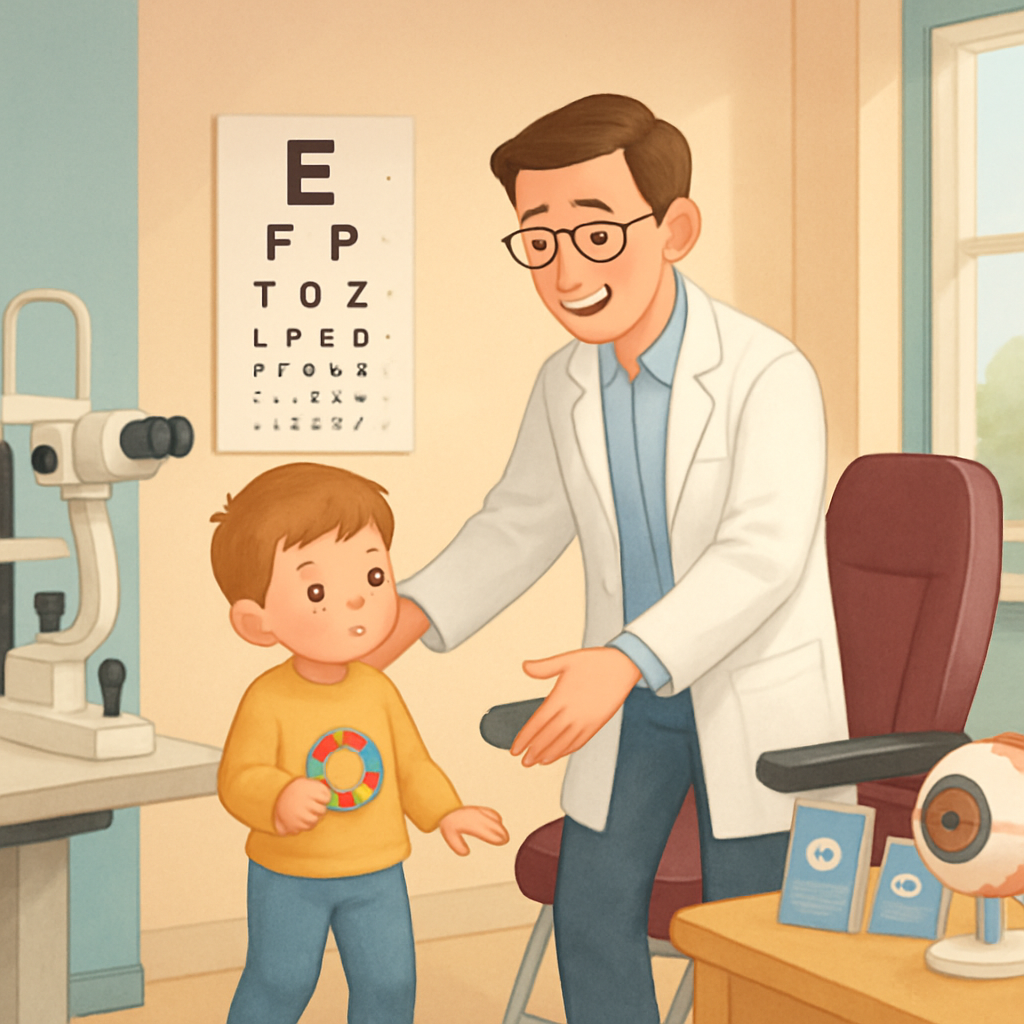
Children should have their first eye exam at 6 months of age. A second eye exam is important at age 3. Every child should have an eye exam before the start of school and every 1-2 years thereafter.
Adults should have a comprehensive eye exam every 1-2 years. Seniors age 61 and older should have annual eye exams.
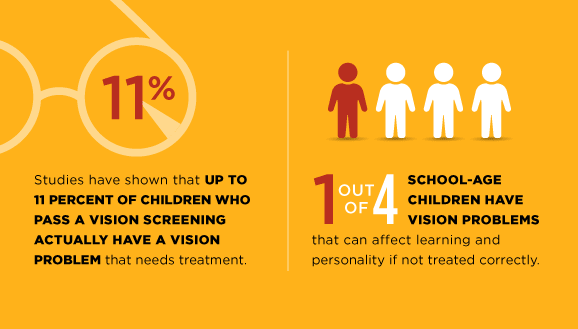
A vision screening is a quick, limited test used to identify people who may have vision problems. Screenings usually are performed by a school nurse, pediatrician, DMV employee or volunteer and are not a substitute for an eye exam.
School vision screenings are designed to alert parents of possible vision problems, not replace an eye exam. Even if you child passes a vision screening at school, they should still have an eye exam every 1-2 years.
Only an eye care professional can diagnose eye and vision problems and make sure you child's eyes are healthy, seeing properly and working together as a team for clear, comfortable vision.
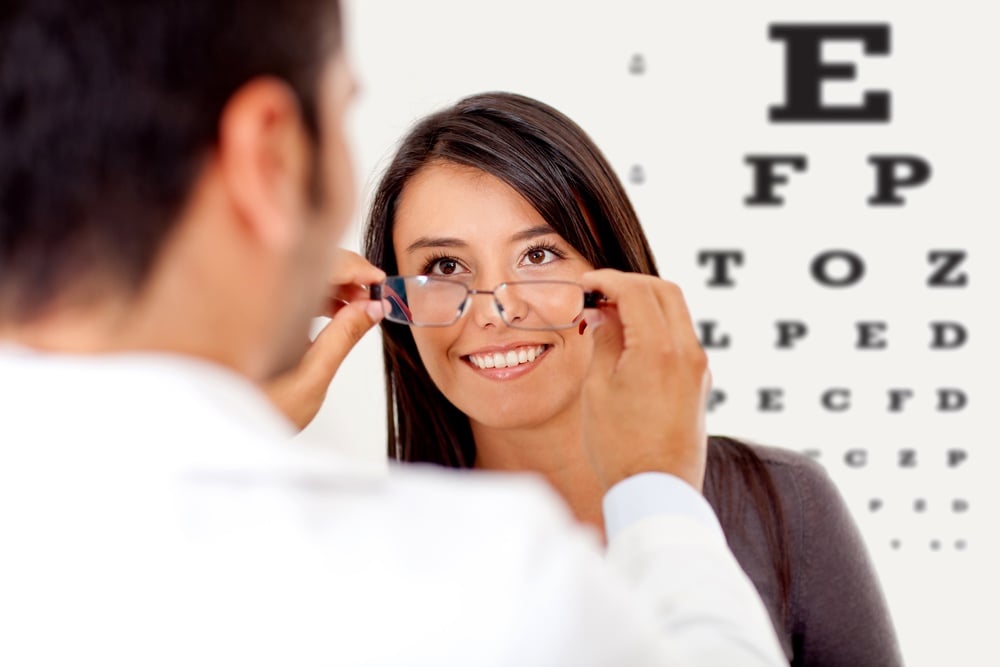
Your eye exam will probably start with a visual acuity test to measure how sharp your vision is.
Cover tests are a simple way to see how your eyes work together and rule out strabismus. Your eye doctor will have you focus on an object and will then observe the position of your eyes while covering and uncovering each eye.
An Ishihara color blind test also may be administered In addition to detecting color vision deficiencies, color blind tests help identify eye health problems.
To assess your eye movements, your eye doctor may ask you to follow a small light with just your eyes while you hold your head still.
"Which looks better, one or two?" During the refraction portion of your eye exam, your doctor will have you choose between a series of paired lenses to fine-tune your eyeglass prescription for the sharpest vision possible.
The slit lamp gives your doctor a magnified, 3D view of the front of your eyes, including your eyelids, cornea, conjunctiva, iris and lens.
Non-contact tonometry (the "air-puff test") measures the pressure inside your eyes to assess your risk of glaucoma. As an alternative, your eye doctor may instead use a small instrument called an applanation tonometer to measure your eye pressure.
A comprehensive eye exam should include pupil dilation. Eye drops will be used to dilate (enlarge) your pupils so your eye doctor can more easily see the inside of your eyes. Pupil dilation is very important in helping your doctor detect cataracts, macular degeneration and other serious conditions.
Your eye doctor may perform additional tests to thoroughly evaluate your vision and eye health. Each and every part of your eye exam is crucial to healthy vision.
The sooner eye problems are detected and treated, the better. So many aspects of your life depend on clear, comfortable vision. Don't take unnecessary chances, visit our eye doctors today! It's your first step to clearly better vision!
If you or someone in your family is due for an eye exam, visit The Rochester Eye & Laser Center website at:
www.rochestereyecenter.com to schedule your appointment today.

1 min read
The Rochester Eye & Laser Team : Apr 1, 2021, 8:08:00 AM
Save Your Vision Month is sponsored by the American Optometric Association. This annual early-spring observance reminds us of the importance of...
1 min read
The Rochester Eye & Laser Team : May 31, 2018, 7:00:00 AM
Choosing an eye care provider is an important health care decision. After all, you will be trusting youreye doctorto safeguard your precious...

1 min read
 Guest Author Tahlia Gutierrez : Oct 25, 2024, 2:00:42 PM
Protecting your eyes when active and outdoors is crucial for maintaining good eye health and preventing sports-related eye injuries. The best way to...