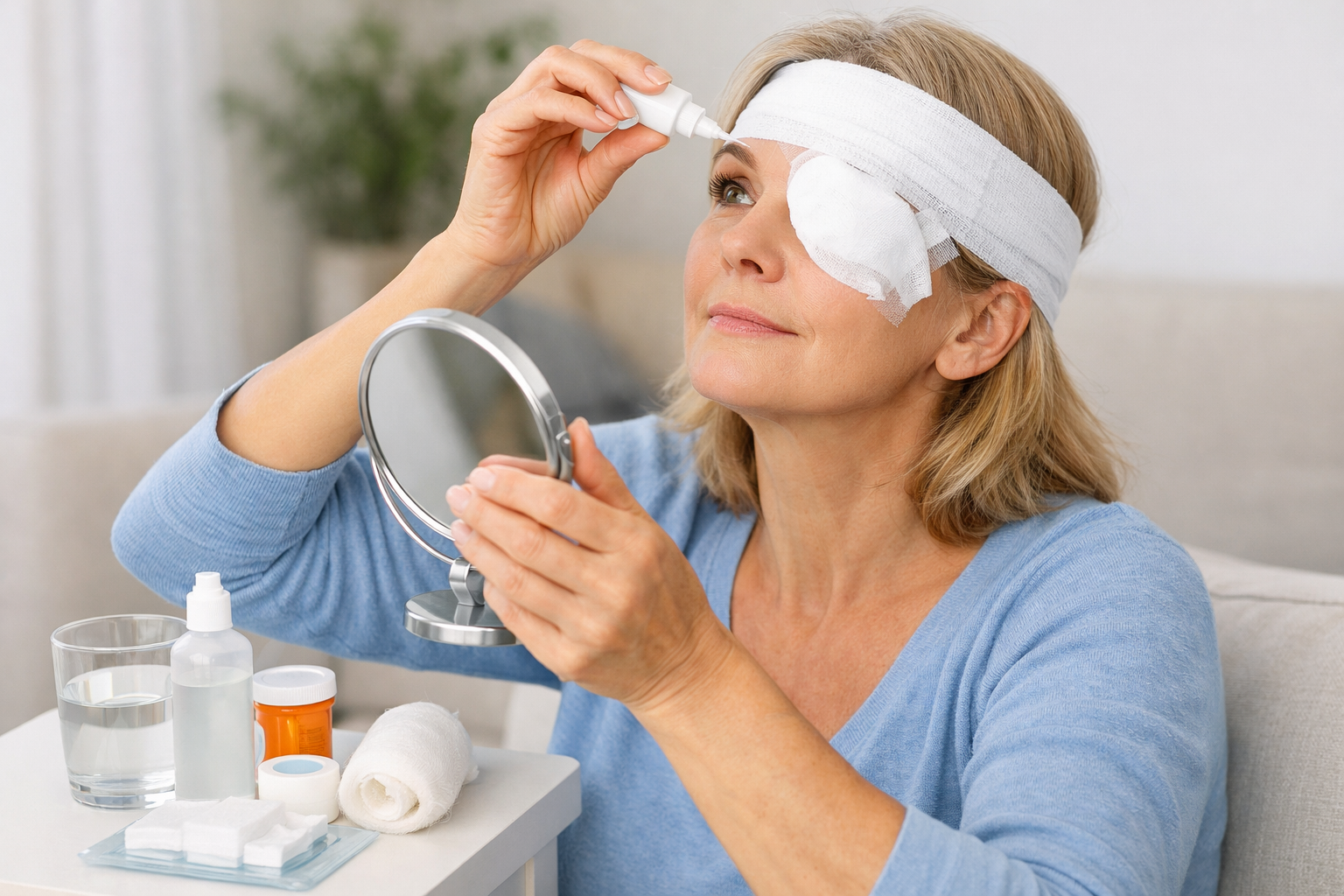
Whether you have just undergone LASIK to correct your vision, had cataracts replaced with clear intraocular lenses, or undergone a more complex procedure like corneal transplantation, the success of your ocular surgery depends heavily on what happens after you leave the clinic. Most patients meticulously follow their prescription eye drop schedules and wear their protective shields to bed. However, they frequently overlook one of the most pervasive factors in their recovery environment: the air they breathe and live in.
Post-operative eye care is not just about avoiding physical impact or keeping water out of your eyes during a shower. The eyes are incredibly vulnerable during the immediate healing phase, and the quality of your indoor air plays a massive, direct role in how quickly and comfortably your corneal tissue recovers. Microscopic airborne particles, fluctuating humidity levels, and invisible chemical vapors can mean the difference between a seamless, rapid recovery and a prolonged, painful complication. Understanding why clean indoor air is crucial for post-eye surgery healing is an essential step in safeguarding your vision investment.
1. The Vulnerable Ocular Surface After Surgery
To understand why air quality matters so much, it helps to look at what happens to the anatomy of the eye during a surgical procedure. During LASIK, a microscopic flap is created in the cornea, or the outer surface is gently reshaped using a laser. In cataract surgery, a small incision is made to access the lens. In almost all cases, the delicate, protective outer layer of the eye, known as the epithelium, is disrupted.
This disruption temporarily compromises the eye's natural defense mechanisms. The cornea has the highest density of nerve endings in the entire human body, which explains why even a tiny speck of dust feels incredibly painful under normal circumstances. When the ocular surface is healing from a surgical incision, these nerves are hyper-sensitive, and the natural tear film that lubricates the eye is significantly destabilized.
A compromised tear film cannot efficiently flush away airborne debris. Under normal conditions, your tears form a three-layered shield that traps particles and washes them toward the tear ducts. Post-surgery, this shield is uneven and thin. When the healing eye is exposed to poor indoor air, the physical structures that are actively trying to knit back together are forced to work under constant environmental stress, which can stall the cellular regeneration process.
2. Airborne Irritants and the Risk of Inflammation
Indoor air is often up to five times more polluted than outdoor air, a statistic that surprises many homeowners. In a closed indoor environment, common contaminants accumulate rapidly, creating a challenging environment for a recovering ocular surface.
Fine Particulate Matter and Dust
Microscopic dust mites, pet dander, and microscopic lint fibers constantly float through household air. When these particles land on a recently operated eye, they do not just cause temporary discomfort. They can become trapped beneath the eyelid or even stick to the healing margins of a corneal flap or incision. This triggers a localized mechanical irritation, forcing the patient to blink excessively or, worse, feel an overwhelming urge to rub their eyes. Rubbing the eye in the early days of post-surgery recovery can be catastrophic, potentially dislodging a LASIK flap or reopening an incision.
Volatile Organic Compounds (VOCs) and Household Chemicals
We often associate a clean home with the scent of pine, lemon, or fresh paint, but these scents are usually driven by Volatile Organic Compounds, or VOCs. These are invisible chemical gases emitted by household cleaners, air fresheners, new furniture, perfumes, scented candles, and air duct cleaning. For a healthy individual, VOCs might cause minor nose or throat irritation, but for a post-operative eye patient, they act as severe chemical irritants. The vapors dissolve directly into the fragile tear film, causing immediate chemical burning, redness, and inflammation. This chemical-induced inflammation can mimic or exacerbate conditions like Diffuse Lamellar Keratitis, an uncommon but serious inflammatory response after laser vision correction.
Cooking Fumes and Aerosols
The kitchen can be a high-risk zone during post-eye surgery recovery. Frying oils, micro-droplets of grease, and airborne spices like pepper or chili powder can hang suspended in the indoor air for hours. If a patient spends time in or near a kitchen where active cooking is occurring, these airborne aerosols can cause intense stinging, reflex tearing, and vascular congestion in the eye, all of which interrupt the resting state necessary for cellular healing.
3. The Threat of Infectious Endophthalmitis
While irritation and inflammation are uncomfortable, infection is the most serious threat to a patient's visual outcome after surgery. One of the most feared complications in ophthalmic surgery is endophthalmitis, which is a severe bacterial or fungal infection deep inside the eye. While this condition is rare, the entry points created during surgery remain open to microscopic pathogens until the epithelium completely seals over.
Indoor air frequently carries bioaerosols, which include airborne bacteria, viruses, and fungal spores. Fungal spores are particularly problematic in homes with high humidity or hidden mold growth behind walls, under sinks, or within HVAC ductwork. When a home’s heating and cooling system turns on, it can blast millions of these invisible spores into the living spaces.
If an airborne fungal spore or bacterial cluster lands on an eye that has an unhealed incision, the warm, moist environment of the ocular surface provides an ideal breeding ground. Because the immune response within the cornea and anterior chamber of the eye operates differently than in the rest of the body, treating an advanced intraocular infection can be incredibly difficult and may result in permanent vision loss. Maintaining purified, pathogen-free air during the first two weeks after surgery drastically reduces the statistical likelihood of these dangerous airborne pathogens making contact with the eye.
4. Humidity, Airflow, and the Battle Against Severe Dry Eye
Dry eye syndrome is almost a universal side effect of modern eye surgeries, particularly laser vision correction. Because the corneal nerves are temporarily desensitized during the procedure, the eye fails to signal the lacrimal glands to produce enough reflexive tears. As a result, patients rely heavily on artificial tears to keep the ocular surface lubricated.
The condition of your indoor air can either alleviate or severely worsen this post-operative dry eye. Two environmental factors are particularly critical here: relative humidity and direct airflow.
If the relative humidity in your recovery room drops below forty percent, the ambient air becomes greedy for moisture. It accelerates the evaporation of the baseline tear film and any lubricating eye drops you apply. This rapid evaporation leaves the cornea parched, leading to intense burning, a gritty sensation, and fluctuating blurred vision. Conversely, keeping indoor humidity at an optimal level helps maintain the longevity of each applied eye drop, giving the cornea a stable fluid layer to heal properly.
Furthermore, the mechanics of how air moves through your home matter. Many patients mistakenly sit directly under ceiling fans or in front of air conditioning vents to stay comfortable. Direct, high-velocity airflow acts like a wind tunnel across the eye, stripping away moisture instantly. Even if the air is perfectly clean, rapid movement across a vulnerable corneal surface induces mechanical dryness and stress, which slows down epithelial cell migration and delays the stabilization of your vision.
5. Practical Steps to Optimize Your Indoor Air for Recovery
Creating a safe, clean, and healing atmosphere at home does not require clinical-grade equipment, but it does require intentional preparation before your surgery date. Implementing a few strategic changes to your living space can profoundly impact your recovery trajectory.
-
Deploy True HEPA Air Purifiers:
Place a standalone air purifier featuring a True HEPA filter directly in your primary recovery bedroom and the living room. True HEPA filters are rated to capture ninety-nine point ninety-seven percent of airborne particles as small as zero point three microns, effectively trapping dust, dander, and mold spores before they reach your eyes.
-
Manage Humidity Levels:
Use a digital hygrometer to monitor your home's humidity. If your air is too dry, introduce a clean-mist humidifier to keep the levels between forty and fifty percent. Ensure the humidifier is cleaned daily, as stagnant water can become a source of airborne bacteria.
-
Maintain Your HVAC System:
Change your home's central air conditioning and heating filters prior to surgery. Upgrade to a high-quality filter with a high MERV rating, which stands for Minimum Efficiency Reporting Value, to maximize particle filtration throughout the entire house.
-
Avoid Chemical Triggers:
Ban the use of aerosol sprays, strong chemical cleaners, perfumes, and scented candles in the home for at least two weeks following your procedure. Opt for natural, fragrance-free cleaning alternatives, and make sure someone else handles the household cleaning while you recover.
-
Adjust Seating and Fan Positions:
Turn off ceiling fans in your immediate vicinity and redirect any floor vents so that air circulates around the room rather than blowing directly into your face. Wearing your protective post-op sunglasses indoors can also help shield your eyes from subtle drafts.
Conclusion
The journey to crisp, clear vision does not end when the surgeon steps away from the operating table. The post-operative recovery phase is an active, delicate period where your body requires the absolute best conditions to rebuild and heal. While using prescribed drops and attending follow-up appointments are mandatory, controlling the invisible environment around you is the secret weapon to a comfortable, complication-free recovery.
By investing a little time into purifying your indoor air, managing humidity, and eliminating chemical irritants, you actively protect your eyes from inflammation, chronic dryness, and dangerous infections. Do not let poor air quality compromise your surgical results.
If you are planning an upcoming vision correction or cataract procedure, make indoor air optimization a core part of your recovery strategy. Take the time to clean your living spaces, update your air filters, and set up a dedicated recovery room well before your surgery day. Your eyes work hard to give you a clear view of the world; ensure you provide them with a clean, safe environment to heal. For personalized advice on setting up your post-operative home environment, contact us today.

 The Rochester Eye & Laser Team : Nov 7, 2017, 11:47:00 AM

 Linda Wolfla